
Hidden defect: The role of the structural engineer in legal expertise
The discovery of a hidden defect after the purchase of a property can raise complex technical questions: since when has the defect existed, what is its cause, what is its extent, and what work is necessary? When a problem affects the foundations, the frame, a load-bearing wall, or another structural element, the engineer can intervene to observe the facts, take measurements, and produce an independent analysis. Their role is not to provide a legal opinion, but to bring solid technical insight to the file.
What is a structural latent defect?
In the context of a building, the term may refer to a significant defect that was not apparent at the time of purchase and affects, for example, the foundations, framing, load-bearing elements, or previous modification work. The situations encountered can vary greatly: a sinking foundation, an undersized beam, a load-bearing wall removed without appropriate reinforcement, damage hidden by a finish, or a water problem that has affected structural elements.
However, the legal classification of a hidden defect falls within the domain of law. The engineer focuses on what can be observed, measured, and technically analyzed. They describe the defect, investigate its probable cause, assess the consequences on the building, and, when required by their mandate, recommend the necessary corrective work.
Why bring in an engineer quickly?
When a problem has just been discovered, conditions are often easier to document before repairs begin. Work carried out too quickly can alter or destroy elements useful for the analysis. It is therefore advisable to photograph the situation, keep available documents, and obtain a technical opinion before altering the area in question, when safety permits.
BE3I offers a page dedicated to’structural engineering forensic expertise, which presents the main types of mandates: hidden defect analysis, expert reports, counter-expertises, claims, and expert testimony.
The role of the engineer in a hidden defect case
The engineer begins by precisely defining his mandate. He can then inspect the building, take measurements, take photos, consult existing plans and reports, and analyze previously completed work. The objective is to reconstruct as clearly as possible the structural behavior and the origin of the problem.
- Document the observed defect with photos, measurements, and logs.
- Identify the structural elements involved.
- Analyze the probable cause of the problem.
- Assess the extent of the damage and potential consequences.
- Determine the useful corrective work or additional investigations.
- Present the findings in a report when required by the mandate.
How does the engineer assess the prior existence of a problem?
Determining the exact age of a defect is not always possible. However, the engineer can look for technical clues: traces of past repairs, corrosion, progressive degradation, foundation movements, earlier documents, photographs, or the characteristics of existing work. They distinguish what can be stated with certainty from what must remain a technical hypothesis.
This rigor is essential. An expert report must not turn a possibility into a certainty. Conclusions must be proportionate to the available observations and the limits of the mandate.
The expert report: structuring technical facts
An expert report can present the context, the documents consulted, the observations, the analyses performed, and the conclusions. When work is necessary, it can also explain the nature of the repairs or recommend further investigations. The report allows other stakeholders to understand the technical reasoning rather than being limited to a photograph or a repair estimate.
In a complex case, this structure is useful for the lawyer, the insurer, the owner, or the other party, as it separates observed facts, hypotheses, and conclusions. The scope and level of detail are defined with the client at the beginning of the assignment.
Objectivity and role of the expert witness
When an engineer acts as an expert witness, their role demands competence, objectivity, and impartiality.’Ordre des ingénieurs du Québec recalls the importance of these principles and the clarity of the report. The expert must not adapt their conclusions to the position of a party: they must explain the technical elements according to their professional analysis.
In some cases, the engineer may also answer the lawyer's questions, explain the behavior of the structure, or clarify the scope of their conclusions. However, they remain within their field of technical expertise.
Hidden defects, cracks, and foundations: frequent issues
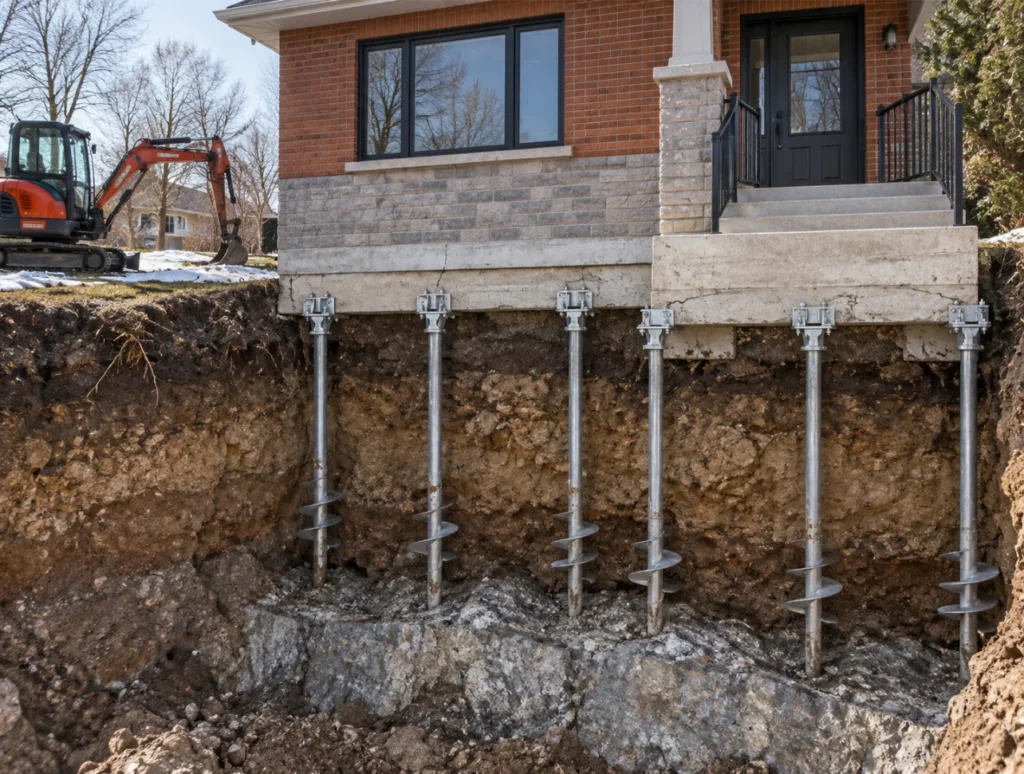
Foundations are often the focus of concern because a single movement can manifest in several places: basement cracks, stair-step masonry, sloping floors, sticking doors, or finish deformations. The analysis must determine whether these signs share a common cause and whether the movement appears to be active.
Our guide on the foundation crack explain the main causes and possible solutions after diagnosis. For a hidden defect claim, it is particularly important to keep the available prior photos and reports in order to better understand the evolution.
Previous renovation work and load-bearing alterations
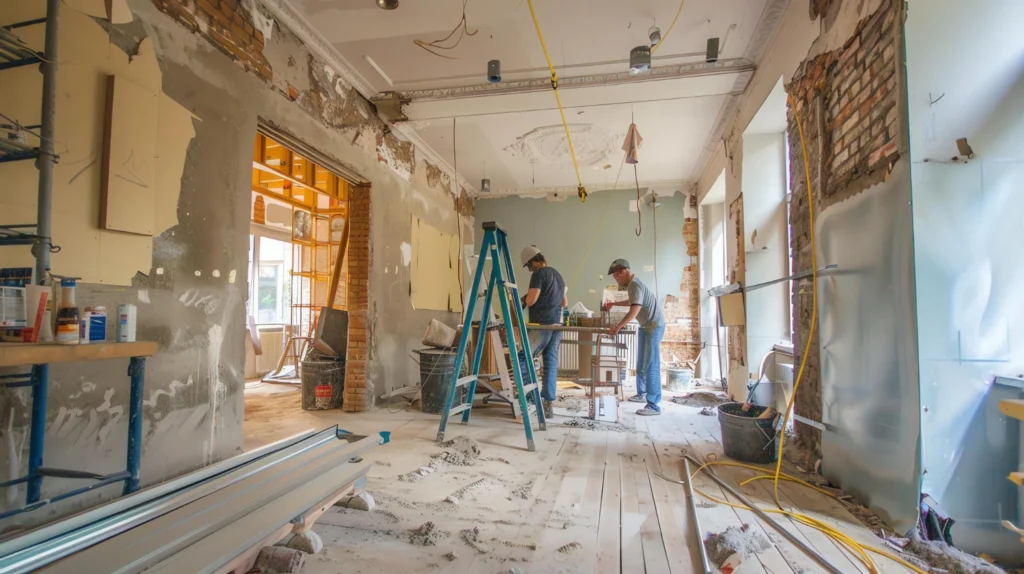
Another common scenario involves work carried out prior to sale: load-bearing wall removed, opening enlarged, beam modified, extension or addition of a floor. If plans are missing or if the execution appears different from the available documents, the engineer can verify the capacity and supports of the elements concerned.
An inadequate modification does not always produce immediate damage. Deformations can appear gradually under loads. This is why the analysis must take into account the geometry, materials, connections, and load path down to the foundations.

What to do as soon as a problem is discovered?
Start by documenting what you see: general and close-up photos, date of discovery, location, and evolution. Then, gather available documents regarding the purchase and previous work. If safety is not at issue, avoid demolishing or repairing the area prior to the technical inspection. When temporary measures are necessary, document the initial condition as much as possible.
The legal procedures and applicable deadlines must be discussed with a lawyer. For their part, the engineer can intervene to establish the technical facts and produce the deliverables specified in the mandate.
Why a second opinion can be useful
A counter-assessment consists of analyzing a previously produced technical report or conclusions. The engineer checks the methodology used, the observations, the assumptions, and the consistency of the conclusions. They can also carry out a new visit when necessary to compare current conditions with those described in the first report.
The objective is not to systematically contradict the first expert. A counter-assessment can confirm certain conclusions, qualify others, or identify missing information that must be obtained before concluding.
Have a hidden defect analyzed by BE3I
BE3I performs inspections, technical analyses, and expert assessments related to structural problems in the Greater Montreal area. If you discover a hidden defect potential or a defect that could lead to a dispute, contact BE3I before undertaking major work in order to define the appropriate type of mandate.
Warning
This article is provided for informational purposes only and does not constitute legal advice. Questions regarding your rights, your remedies, the legal classification of a hidden defect, or the applicable deadlines must be discussed with a lawyer.
Frequently asked questions
Does the engineer decide whether a defect legally constitutes a hidden defect?
No. It analyzes the technical aspects. Legal qualification is the responsibility of legal professionals and, when necessary, the competent authorities.
Is a report always necessary?
That depends on the objective of the assignment. For a file likely to be forwarded to a lawyer, an insurer, or another party, a structured report can be particularly useful.
Can we repair before the inspection?
When safety permits, it is generally preferable to document the situation and obtain technical advice before modifying the items concerned.