
One structural inspection in Montreal makes it possible to assess the actual condition of the elements that ensure a building's stability. Foundations, beams, columns, load-bearing walls, floors, and framing cannot be judged by sight alone: some visible signs are benign, while others may reveal movement, overloading, or poorly executed modifications. Involving an engineer at the right time helps to understand the situation before investing in work, buying a property, or making an important decision.
Why a structural inspection in Montreal may become necessary
Montreal's real estate stock is very diverse: older homes, duplexes and triplexes, multi-unit residential buildings, commercial properties, and newer constructions. Each building has its own history, materials, and alterations. Successive renovations, water infiltration, ground movement, added loads, or work done without structural verification can change its behavior over time.
The objective of an inspection is not to automatically conclude that a building is dangerous. Rather, the engineer seeks to distinguish between what is an aesthetic defect, normal maintenance, or a structural problem that warrants intervention. This distinction is important, because repairing a crack without understanding its cause may simply mask the symptom. BE3I provides structural inspection services in Montreal as part of its offering. Structures and Foundations.
Signs that should catch your attention
Several clues may justify further evaluation. A widening crack, a stair-step crack in masonry, an unusually sloping floor, or a door that begins to stick can be related to building movement. Visible beam deformation, localized sagging, signs of water infiltration near load-bearing elements, or a recent structural modification also warrant examination.
- New or evolving cracks in foundations, walls, or slabs.
- Sagging floors or floors with a pronounced slope.
- Doors and windows that suddenly close less well.
- Openings created in a wall without an available engineering plan.
- Deflection of a beam, column, or structural member.
- Damage following water damage, a fire or a major overload.
A single one of these signs is not always enough to establish a diagnosis. It is their combination, their evolution, and the context of the building that guide the analysis.
Before buying a house, a plex, or a building
A general pre-purchase inspection provides a useful overview of the building, but it does not always replace a specialized analysis when structural anomalies are observed. If the inspector notes significant cracks, sagging, modification of a load-bearing wall, or uncertainty regarding the foundations, the intervention of a structural engineer can provide a more thorough assessment before the transaction.
The engineer can document visible elements, take measurements, verify load paths, and determine whether further investigations are necessary. For the buyer, this approach helps to better understand the scope of the problem and potential work required. It can also prevent making a decision based on a superficial repair or too vague an estimate.
Before a major renovation or transformation
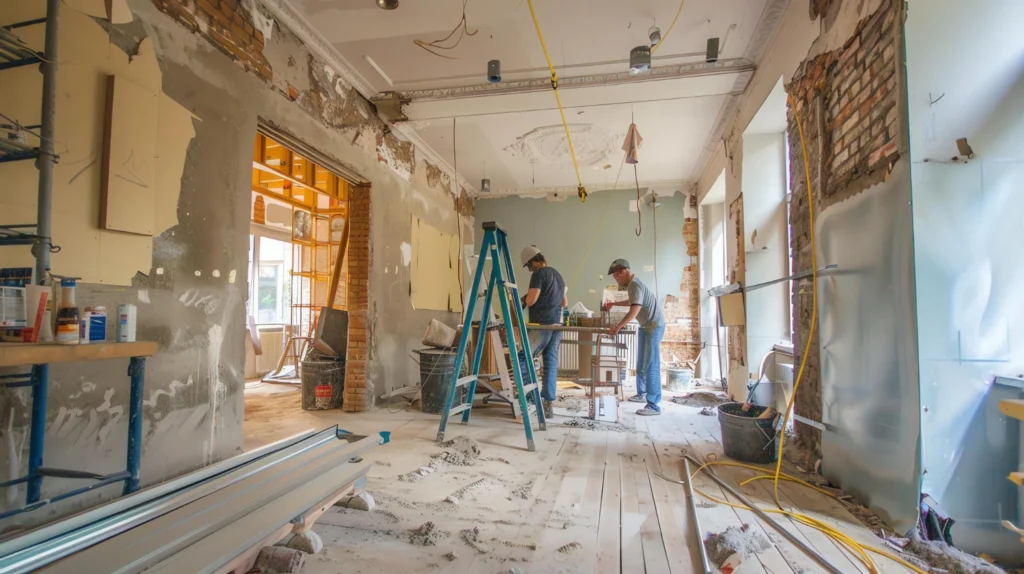
A renovation becomes structural as soon as it touches an element that bears or transmits loads. Removing a load-bearing wall, enlarging an opening, adding a mezzanine, modifying a roof, creating an extension, or adding a floor are typical examples. In these situations, the analysis must take into account the existing structure and how the new loads will be transferred down to the foundations.
L’Ordre des ingénieurs du Québec also describes the design, inspection, and supervision of work among the skills related to building structures, frameworks, and foundations. Having the project verified prior to construction makes it possible to design the necessary reinforcements and produce plans consistent with existing conditions.
What does the engineer actually check on-site?
The visit generally begins with understanding the mandate: nature of the problem, building history, previous work, and the owner's concerns. The engineer then observes the affected areas and looks for possible connections between the symptoms. A crack in the basement may, for example, be linked to floor deformation or a visible misalignment on an upper floor.
Depending on the mandate, the engineer can take measurements, record levels, document cracks, examine beam and column supports, check for modified elements, and consult available plans. This is not a simple list of defects: the analysis aims to understand how the structural system works as a whole.
What the inspection report may contain
When the mandate provides for a report, it presents the observations made, the elements analyzed, and the engineer's technical conclusions. The document may also specify the probable causes of a problem, the additional investigations recommended, and the corrective work to be considered. The exact scope, however, depends on the mandate entrusted and the conditions accessible at the time of the inspection.
A well-structured report is useful for planning work and transmitting precise information to the contractor, owner, or other professionals involved. In some cases, it can also serve as a technical basis for a claim or a analysis of hidden defect.

Structural inspection, diagnosis and repair: do not reverse the steps
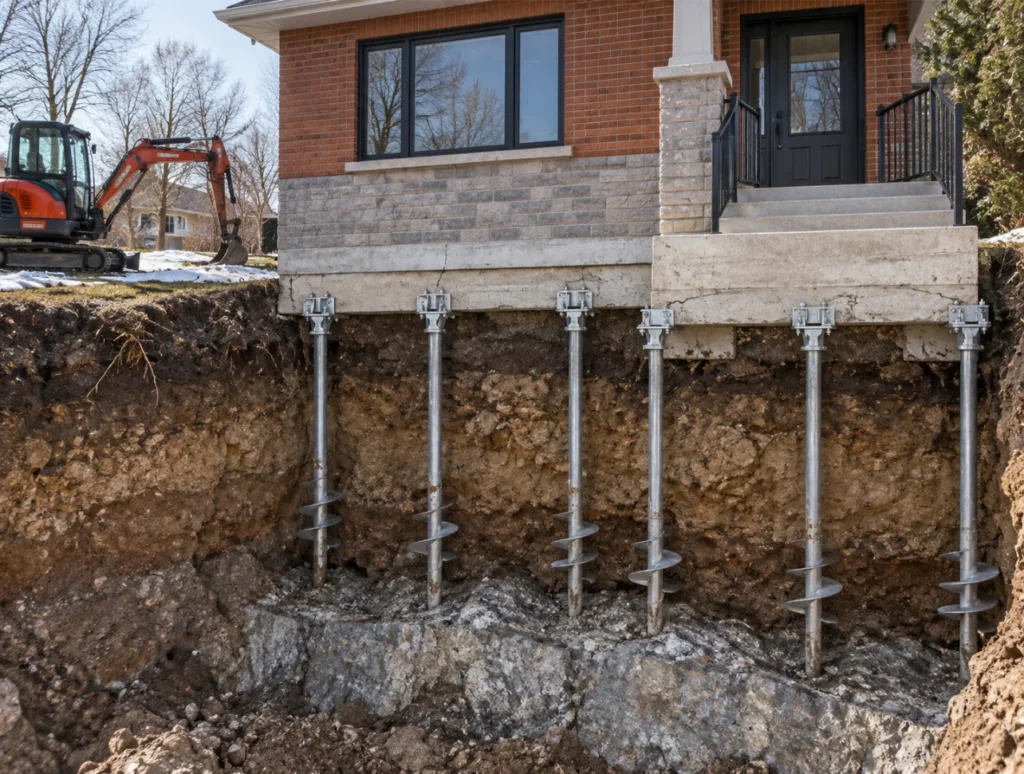
A common mistake is to immediately choose a repair method. Injecting a crack, adding a column, or replacing a beam may seem logical, but the right solution depends on the cause. A stabilized crack due to concrete shrinkage does not necessarily call for the same intervention as a crack associated with differential foundation settlement.
Diagnosis must therefore come before the solution. Once the cause is identified, the engineer can determine whether a local repair is sufficient, whether reinforcement is necessary, or if an investigation of the soil, drainage, or other building elements must be carried out. This approach reduces the risk of paying for work that does not fix the actual problem.
After an incident or unusual damage
Significant water damage, a fire, an impact, an overload, or a partial collapse can affect the capacity of structural elements. Even when the visible damage appears localized, the engineer checks whether the beams, columns, walls, slabs, or connections have been affected. They can then recommend temporary measures, repairs, or replacement depending on the observed condition.
When corrective work is undertaken, the site supervision can complete the intervention to verify that the important elements are executed in accordance with the plans and recommendations applicable to the project.
How to prepare for your structural inspection
Before the visit, gather the documents you have: plans, old reports, construction invoices, photos taken over time, and information on previous renovations. If a crack is evolving, dated photos or repeated measurements can help understand its progression. Also, avoid covering or repairing a problem area before the visit whenever possible to keep it accessible.
Clearly explain what you have observed and since when. The engineer will thus be able to focus their analysis on the relevant elements and determine whether other areas of the building need to be inspected.
When to contact BE3I for a structural inspection in Montreal?
You can call on BE3I as soon as there is any doubt concerning the foundations, a load-bearing wall, a beam, a column, a floor, or the general stability of a building. Intervention is also relevant before major renovation work, a real estate purchase, or after the appearance of new signs.
BE3I performs structural inspections for residential, commercial, and institutional projects in the Greater Montreal area. To get an evaluation tailored to your situation, request a quote and attach, when possible, photos or available documents regarding the building.
Frequently asked questions
Does a crack always mean there is a structural problem?
No. Some cracks are related to material shrinkage or minor movements. Their orientation, width, location, and progression must be analyzed before drawing a conclusion.
Does a structural inspection replace a pre-purchase inspection?
No. The two interventions have different objectives. The engineer steps in mainly when a technical issue affects the structure or when an anomaly warrants specialized analysis.
Is a report required in all cases?
The need for a report depends on the mandate, the nature of the issue, and the intended use of the findings. BE3I can specify the appropriate deliverable when defining the mandate.